How to donate art, antiques, collections, or anything of value to a museum
It's hard to drive down any road in America without seeing a sign for a museum. Across the nation, thousands of museums allow us to learn, explore, experience the past, and see distant places through art and artifacts. Most museums rely on donations of money and volunteer time to stay open.
But an empty museum is hardly a rewarding experience. Museums need objects to display. Often, museum pieces come from individuals and families who decide to donate precious heirlooms. We'll examine why and how in this article.
Contents
Why donate your heirloom to a museum?
Let's say you hear about a museum putting together a special exhibit. It needs certain items for display, and a curator has asked people to donate them. You have a family heirloom the museum needs. Would you donate it?
You might donate your heirloom because it has historic or regional significance, or to expand the heirloom's story to a larger audience. You might want to honor a family member by offering artifacts from his or her life for display or research.
Preservation is another reason people donate heirlooms. Museums maintain protective, controlled environments -- away from kids, pets and daily wear.
Finding the Right Museum
Museums have different missions, themes and personalities. It's important to find a museum where your heirloom will be safe and appreciated.
Museum types include:
art
history, including regional, national or period specific
natural history
science
children's interests
themed, such as dolls, banjos or aviation
teaching and research
You might already have an emotional connection to a museum. If not, think locally for your heirloom's new home and visit near-by museums. Wander through the exhibits and talk to people. Gauge the level of trust you feel and how well the museum's mission matches yours.
Proposing the Donation
Before offering your heirloom to a museum, gather its story.
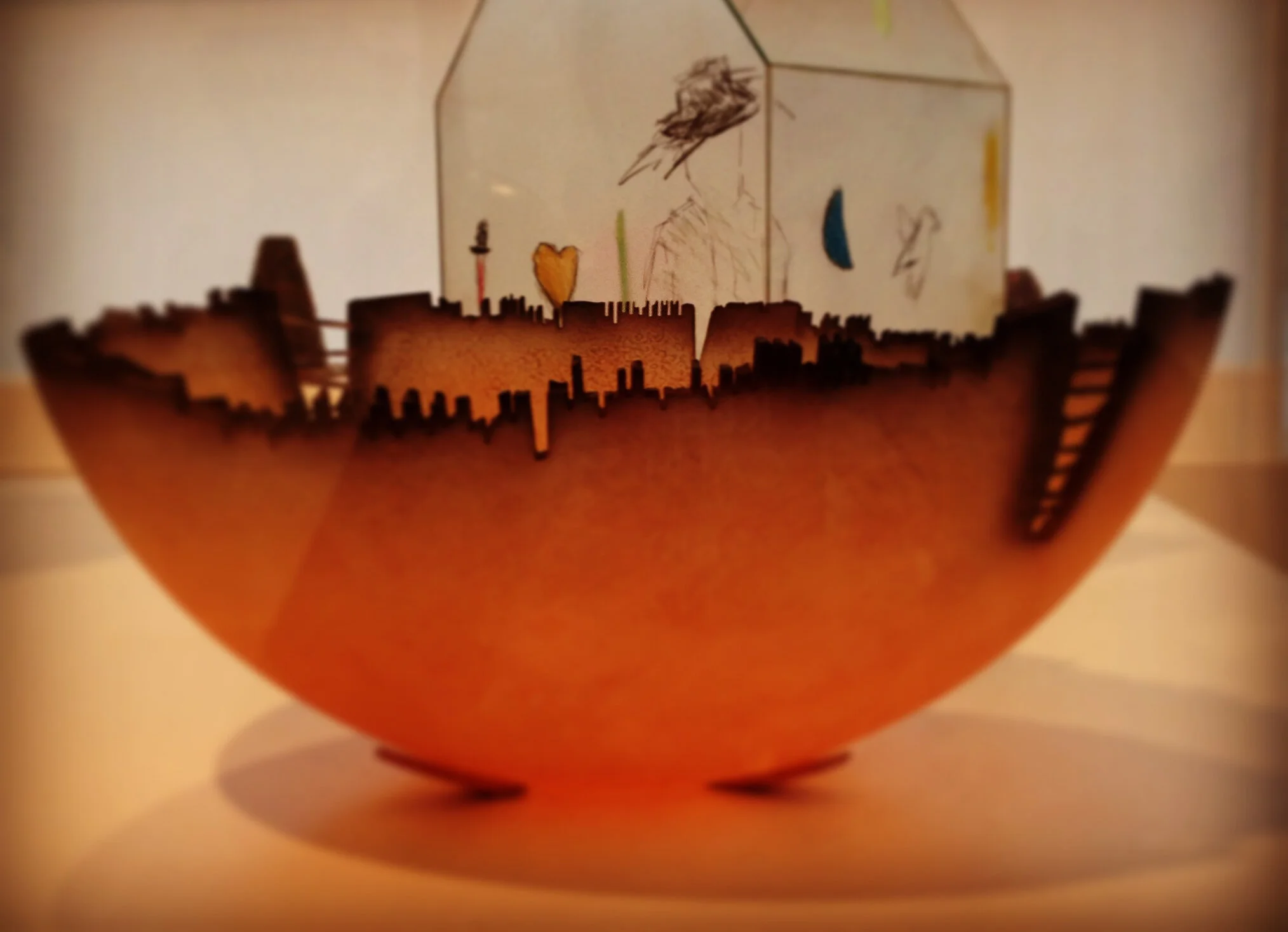
Jay Musler. Cityscape. Blown and engraved glass. Collection of LACMA (Los Angeles County Museum of Art)
"People are interested in stories," said Susan Neill, Vice President of Collections and Exhibitions for the Atlanta History Center. "The older tradition of museum collecting tends to be connoisseurship, but that doesn't always warm the visitor's heart."
Oral histories are good. Documentation proves the item's authenticity -- and raises the value of the piece. In addition to family stories, collect:
letters, journals and diaries that describe the heirloom
photographs
records of importation, manufacture or sale
legal documents like deeds or wills
You might also want to get an independent appraisal of the heirloom's value.
Making Contact
Once you've chosen a museum, call to find out who handles the type of item you want to donate. Some museums want you to pitch your heirloom in a letter; others will talk with you on the phone.
Describe the item, its history, and why you think it belongs in the museum. If the curator is interested, he or she will want to see the heirloom and possibly show it to an acquisition committee. The museum may take temporary custody of the item while it makes a decision. Now, you wait to hear from the curator or director.
Transferring Ownership
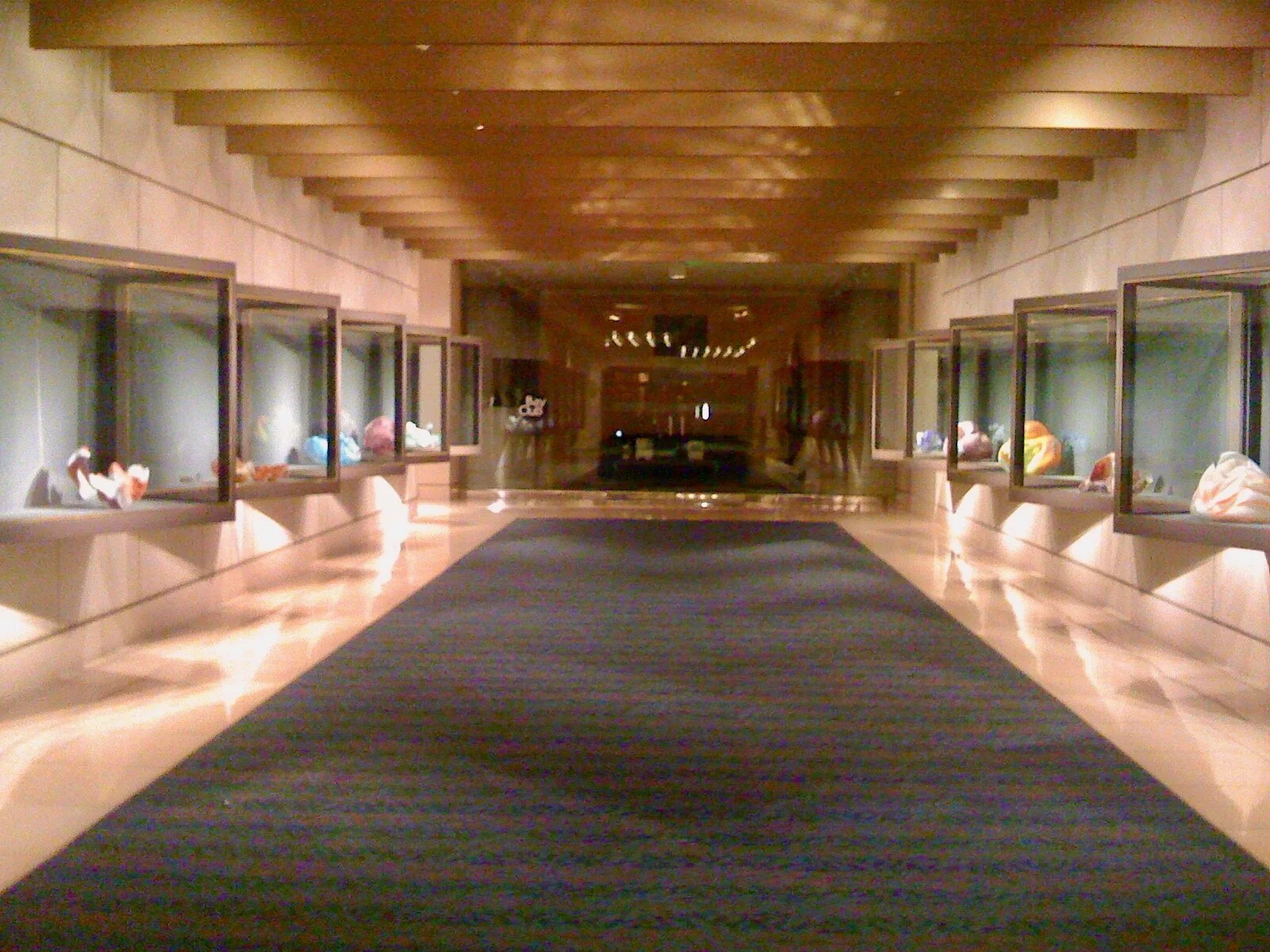
Marvin Liposky exhibition at Bank of America Concourse Gallery, 2009. Curated by Micaela van Zwoll in collaboration with Jan Casey.
If the museum accepts your donation, the paperwork is simple. You sign a Deed of Gift, and the heirloom becomes property of the museum. If you've placed a high value on the heirloom, you may need to complete an IRS form to claim it for tax deduction purposes.
But you should ask some questions before signing the papers. Will you have to ask permission or pay a usage fee to reprint family photographs donated to the museum? Will family stories become museum property, prohibiting you from publishing them elsewhere? Will your stories appear in museum Web sites or other material?
What happens after donation?
After you transfer ownership of the heirloom to the museum, it will be catalogued, photographed, and prepared for exhibition or storage. Your name, as donor, will be linked to the piece in the collection database. If the item will be included in an exhibition, museum staff does additional research very quickly. They may create a display label that credits you for the donation. Otherwise, the piece goes into storage.
"It may never go on display," Neill said. "Ninety percent or more of collections tend to be in storage for preservation and study by scholars, other institutions or qualified researchers."
Rejection
No matter how much your heirloom means to you, it may not be right for a museum. It might be declined because it's in poor condition, it doesn't fit the museum's mission, or the museum already has similar items.
"All museums have storage and capacity issues," Neill said. "We have collecting priorities, and we're pressed to make the best use of our resources."
If your museum of choice declines your heirloom, consider offering it elsewhere. State archives collect diaries, letters, maps, photographs and some artifacts. Living history centers might use your heirloom to educate and entertain visitors. It could also be suitable for a memorial.
Related
Sources
American Banjo Museum. "Donating Items." 2010. (Aug. 19, 2010) http://www.americanbanjomuseum.com/become-a-member/donating-banjos/
City of Greeley. "Greeley Museums Donations and Collections Policy." City of Greeley, Colorado. May 2010. (Aug. 19, 2010) http://www.greeleygov.com/museums/collections.aspx
Computer History Museum. "Why can't the museum accept everything? Why weren't my items accepted?" Donate Historic Materials. Step 3: FAQs. 2008. (Aug. 19, 2010) http://www.computerhistory.org/artifactdonation/
Neill, Susan. Vice President of Collections and Exhibitions, Atlanta History Center. Personal interview, Aug. 23, 2010.
Sindecuse Museum of Dentistry. "Donating Items." University of Michigan School of Dentistry. ND. (Aug. 19, 2010) http://www.dent.umich.edu/sindecuse/giving/howto
Suchy, Sherene. "Museum Management: Emotional value and community engagement." Conference paper: Intercom 2006. (Aug. 19, 2010) http://www.intercom.museum/documents/3-1Suchy.pdf